%2Ffit-in%2F250x250%2Fguide_websites%2F58760%2Fimages%2F1771593229441logo_zookeeper-removebg-preview.png&w=1200&q=100)
/users/3b3417e3-4575-4095-a866-c1de5da23ef7/ratecard/rc1-mkg1otxy.jpg)
%2F300x300%2Fusers%2F3b3417e3-4575-4095-a866-c1de5da23ef7%2Fratecard%2Frc1-mkg1otxy.jpg&w=256&q=75)
%2F300x300%2Fusers%2F3b3417e3-4575-4095-a866-c1de5da23ef7%2Fimages%2Fsuccessful-fishing-trip-florida-2300.jpg&w=256&q=75)
%2F300x300%2Fusers%2F3b3417e3-4575-4095-a866-c1de5da23ef7%2Fimages%2Ffishing-fun-florida-2243.jpg&w=256&q=75)
%2F300x300%2Fusers%2F3b3417e3-4575-4095-a866-c1de5da23ef7%2Fimages%2Ffour-people-fishing-in-fl-2286.jpg&w=256&q=75)
%2F300x300%2Fusers%2F3b3417e3-4575-4095-a866-c1de5da23ef7%2Fimages%2Ffishing-fun-florida-2232.jpg&w=256&q=75)
%2F300x300%2Fusers%2F3b3417e3-4575-4095-a866-c1de5da23ef7%2Fimages%2Fpicturesque-melbourne-beach-2304.jpg&w=256&q=75)
%2F300x300%2Fusers%2F3b3417e3-4575-4095-a866-c1de5da23ef7%2Fimages%2Ffishing-trip-florida-2208.jpg&w=256&q=75)
%2F300x300%2Fusers%2F3b3417e3-4575-4095-a866-c1de5da23ef7%2Fimages%2Ffishing-adventure-florida-2312.jpg&w=256&q=75)
%2F300x300%2Fusers%2F3b3417e3-4575-4095-a866-c1de5da23ef7%2Fimages%2Fcoastal-fishing-adventure-2348.jpg&w=256&q=75)
%2F300x300%2Fusers%2F3b3417e3-4575-4095-a866-c1de5da23ef7%2Fimages%2Fmelbourne-beach-scenic-view-2304.jpg&w=256&q=75)
%2F300x300%2Fusers%2F3b3417e3-4575-4095-a866-c1de5da23ef7%2Fimages%2Fwahoo-catch-melbourne-beach-2380.png&w=256&q=75)
Sebastian Inlet Inshore Charter Zookeeper
 Sebastian Inlet
What you will be catching:
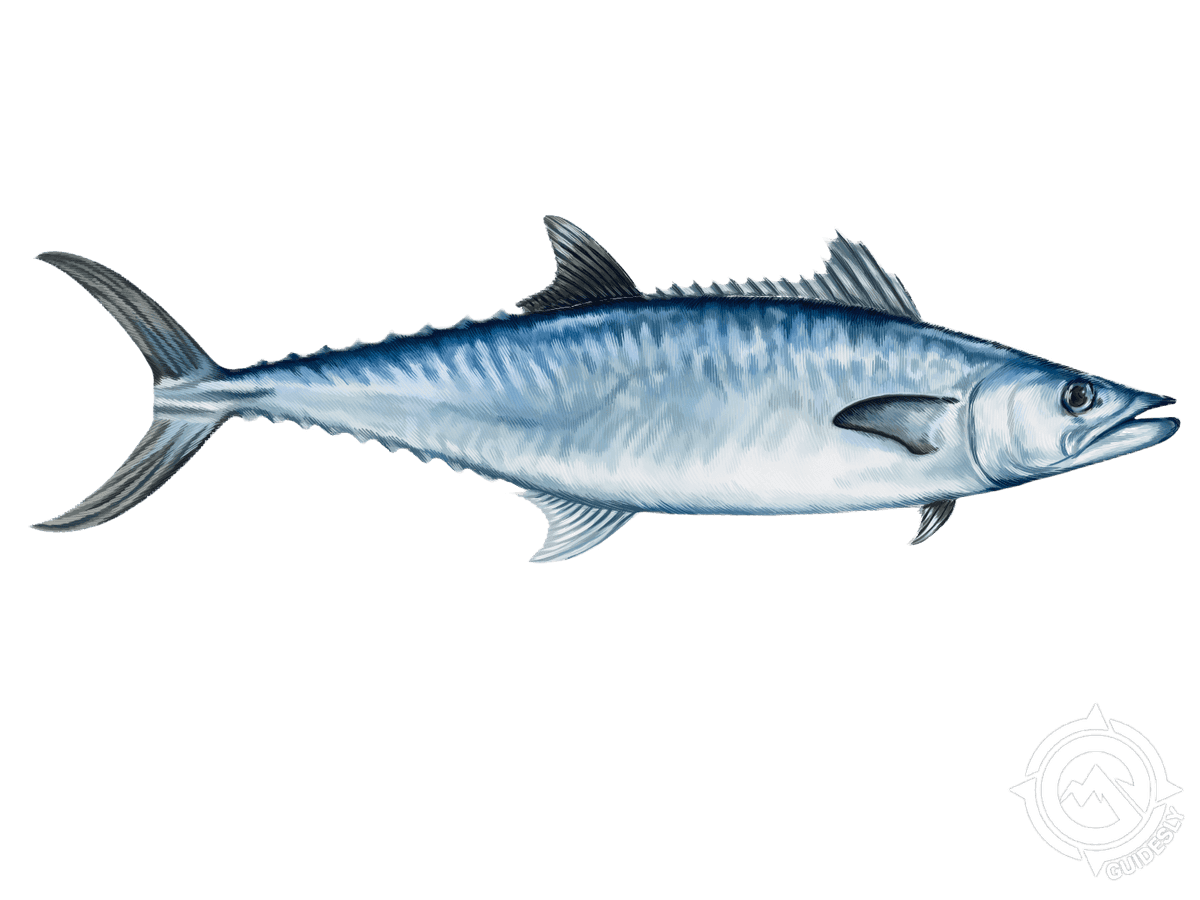
 King Mackerel
 Red Snapper
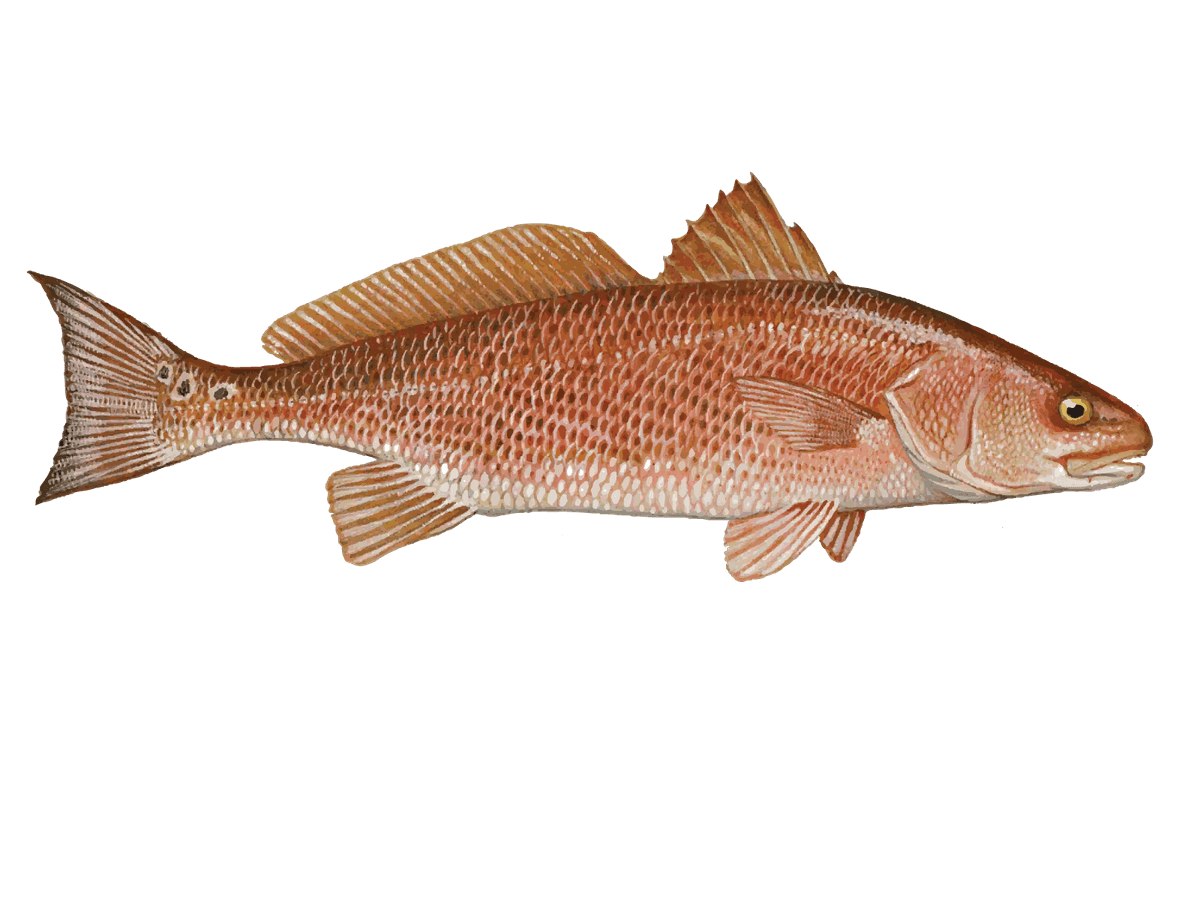
 Redfish
 Snook
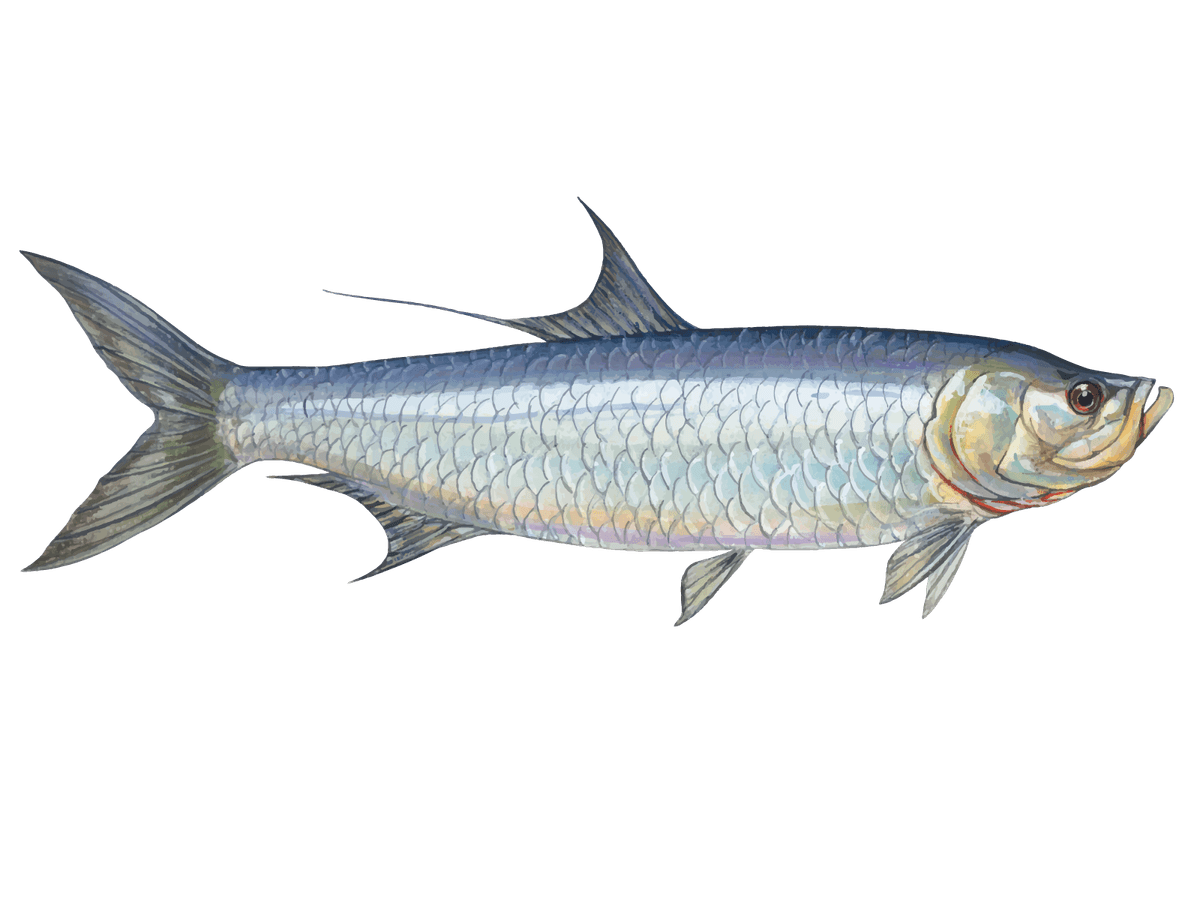
Snook Tarpon
- This half-day inshore fishing charter takes you into the productive waters around Sebastian Inlet, where you'll target snook, redfish, trout, and seasonal species like tarpon and goliath grouper. Captain provides all the gear, bait, and local knowledge to put you on fish whether you're a first-timer or experienced angler. Morning trips start at 6 AM to beat the heat and catch the early bite, while afternoon departures at 1 PM work great for families. The shallow flats and mangrove shorelines here hold some serious fish, and you'll learn techniques that work in this unique coastal environment. Trip includes everything you need plus fish cleaning and ice to take your catch home.
Trip Pricing and Availabilities:
Sebastian Inlet Inshore Fishing Charter
Sebastian Inlet is one of Florida's most productive inshore fishing spots, and this half-day charter puts you right in the action. For $500, you and up to three friends get a complete fishing package that includes everything you need for a solid day on the water. We launch either at 6:00 AM to catch the morning bite or 1:00 PM for afternoon action, so you can pick what works best for your schedule. The inlet's unique mix of fresh and saltwater creates perfect conditions for multiple species, making every cast potentially exciting. Whether you're a first-timer or someone who fishes regularly, this trip delivers consistent action in some of the most fish-rich waters on Florida's east coast.
What to Expect on the Water
This charter takes you through Sebastian Inlet's diverse inshore waters, from the protected mangrove shorelines to the inlet mouth where structure holds big fish. You'll fish in depths ranging from just a few feet to about 15 feet, perfect for sight fishing and working the flats. The morning trips often start in calmer conditions with better visibility for spotting fish, while afternoon charters can offer more active feeding as baitfish move with the tide changes. Each trip focuses on reading the water, understanding fish behavior, and putting you in position for the best shots. The relaxed pace makes this ideal for families and beginners who want to learn proper techniques without feeling rushed. With space for up to six people maximum, there's room to move around and everyone gets plenty of fishing time.
Techniques and Tackle Setup
We use light to medium spinning tackle that's perfect for inshore species and easy for anglers of all skill levels to handle. Live bait fishing with shrimp, pilchards, and pinfish produces consistent results, especially around structure and mangrove edges. Artificial lures like soft plastics, spoons, and topwater plugs come into play when fish are actively feeding or when we're covering water to locate schools. The key techniques include casting to visible fish, working the grass flats methodically, and fishing around docks and pilings where predators ambush baitfish. Tide movement plays a huge role in our strategy - moving water almost always means better fishing. All rods, reels, bait, and tackle are provided, along with fish cleaning service so you can focus on the fishing instead of worrying about gear or cleanup.
Top Catches This Season
Red Snapper around Sebastian Inlet are typically smaller mangrove snapper, but they're aggressive biters and excellent table fare. These fish hang around structure like docks, bridges, and rocky areas, usually in 8-15 feet of water. They're active year-round but really turn on during warmer months when baitfish are plentiful. What makes them exciting is their willingness to bite and their fighting spirit - they'll make several strong runs before coming to the boat. Snook are the premier inshore gamefish here, with fish ranging from schoolie-sized to trophy specimens over 30 inches. They're most active during dawn and dusk, positioning themselves in ambush spots around mangroves, docks, and inlet jetties. Summer months bring the best snook action, though they can be caught year-round. The fight is what makes snook special - they jump, run, and use every trick to throw the hook. Tarpon pass through Sebastian Inlet during their seasonal migrations, offering shots at fish from juvenile size up to over 100 pounds. Peak tarpon season runs from late spring through early fall, with the best action often happening during moving tides. These silver kings are pure adrenaline - their aerial displays and powerful runs create fishing memories that last forever. King Mackerel cruise the inlet mouth and nearby waters, especially during cooler months when baitfish schools are thick. These speedsters can reach 20-30 pounds and make blistering runs that test your drag system. They're excellent eating and provide fast-paced action when conditions are right. Redfish patrol the shallow flats and mangrove shorelines throughout the year, with fall being particularly productive for larger fish. These copper-colored fighters use their broad tails and stubborn nature to wear down anglers, often making multiple strong runs before surrendering. Slot-sized reds are perfect for the dinner table, while oversized bulls provide pure sport fishing excitement.
Time to Book Your Spot
Sebastian Inlet's reputation as a top-rated inshore fishing destination means the best dates fill up quickly, especially during peak season. This charter offers exceptional value with its all-inclusive pricing and flexible scheduling options. The combination of productive waters, diverse species, and family-friendly atmosphere makes it a customer favorite for both locals and visitors. With professional guidance, quality equipment, and fish cleaning included, you're getting everything needed for a successful day on the water. The 72-hour refund policy on deposits gives you peace of mind when planning your trip. Don't wait to secure your preferred date - Sebastian Inlet's fish are biting, and your next great fishing story is just a booking away.
Learn more about the species
King Mackerel
King mackerel are speed demons that'll test your drag system. Around Sebastian, most kings run 15-30 pounds, with some pushing 40+ pounds. They cruise open water from 40-100 feet deep, often following baitfish near the surface. Fall through spring are best when water temps drop into the 70s and bait schools up. These olive-backed, silver-sided fish are built for speed and will make blistering runs when hooked. They're excellent eating with firm, flaky meat, though larger ones can have higher mercury levels. The trick with kings is using a wire leader - their razor-sharp teeth will cut through mono in a heartbeat. When trolling, vary your speeds between 6-12 knots. Kings like a fast-moving bait, and that speed change often triggers strikes when they're following but not committing.
Red Snapper
Red snapper around Sebastian typically run 1-2 feet and 6-10 pounds, though bigger ones show up. These pink-to-red fish are bottom dwellers that love structure - think reefs, wrecks, and hard bottom in 30-60 feet of water. They're scrappy fighters that'll try to run you back into the structure when hooked. Most folks target them spring through fall when water temps sit in that sweet 60-70 degree range. What makes them special is they're both fun to catch and fantastic on the plate - mild, nutty flavor that's hard to beat. Here's a local tip: when you hook one, get them up and away from the bottom fast or they'll wrap you around every piece of structure down there. Use heavy enough tackle and don't give them an inch early in the fight.

Redfish
Redfish are our bread-and-butter inshore species - copper-colored fish with distinctive black spots near their tails. Most slot fish run 18-27 inches, perfect eating size. They love super shallow water, often cruising flats in 1-4 feet where you can see their backs. Look for them around oyster bars, grass flats, and mangrove shorelines. They're active year-round but really turn on during cooler months when they school up. What guests love is sight fishing for them in skinny water and watching that explosive strike on topwater baits. They're also fantastic table fare with sweet, firm meat. Here's my go-to technique: when you spot a redfish tailing or cruising, cast well ahead of where they're going, not where they are. Let your bait settle, then give it just enough movement to get their attention.
Snook
Snook are the perfect inshore gamefish around Sebastian - sleek, golden fish with that signature black lateral line. Most run 18-30 inches, but the big girls can hit 40+ inches. They love structure like mangroves, docks, and inlet mouths in water from 2-15 feet deep. Being temperature sensitive, they're most active when water's above 60 degrees - spring through fall are prime times. What gets people hooked is their explosive strike and bulldogging fight, plus they're ambush predators so the action can be sudden. They change from male to female as they grow, so those bigger fish are usually females. Pro tip: work your bait or lure parallel to structure rather than straight at it. Snook sit tight to cover and a parallel presentation looks more natural than something coming right at them.

Tarpon
Tarpon are the silver kings of inshore fishing - massive, acrobatic fish that can reach 6+ feet and 150+ pounds, though most around Sebastian run 50-100 pounds. They cruise shallow flats, channels, and inlet areas, often rolling on the surface to gulp air. Late spring through summer is peak season when they migrate through our waters. What makes them legendary is their jumping ability - they'll launch 6-10 feet out of the water and put on a show you'll never forget. Most anglers practice catch and release since they're bony and not great table fare, but the fight is pure magic. Here's the key: when one jumps, bow to the fish by dropping your rod tip toward them. It gives slack so they can't throw the hook as easily. Keep steady pressure but let them have their head when they go airborne.
About the Zookeeper Charters
%2F%2Fusers%2F3b3417e3-4575-4095-a866-c1de5da23ef7%2Fvehicle_picture%2Funnamed35-mjdphaqc.jpg&w=1200&q=75)
Vehicle Guest Capacity: 8
Manufacturer Name: Suzuki
Maximum Cruising Speed: 60
Number of Engines: 1
Horsepower per Engine: 300