%2Ffit-in%2F250x250%2Fguide_websites%2F58760%2Fimages%2F1771593229441logo_zookeeper-removebg-preview.png&w=1200&q=100)
/users/3b3417e3-4575-4095-a866-c1de5da23ef7/ratecard/475d3660-6dd6-4c4c-8331-c5409c7f850d.jpg)
%2F300x300%2Fusers%2F3b3417e3-4575-4095-a866-c1de5da23ef7%2Fratecard%2F475d3660-6dd6-4c4c-8331-c5409c7f850d.jpg&w=256&q=75)
%2F300x300%2Fusers%2F3b3417e3-4575-4095-a866-c1de5da23ef7%2Fimages%2Fsuccessful-fishing-trip-florida-2300.jpg&w=256&q=75)
%2F300x300%2Fusers%2F3b3417e3-4575-4095-a866-c1de5da23ef7%2Fimages%2Ffishing-fun-florida-2243.jpg&w=256&q=75)
%2F300x300%2Fusers%2F3b3417e3-4575-4095-a866-c1de5da23ef7%2Fimages%2Ffour-people-fishing-in-fl-2286.jpg&w=256&q=75)
%2F300x300%2Fusers%2F3b3417e3-4575-4095-a866-c1de5da23ef7%2Fimages%2Ffishing-fun-florida-2232.jpg&w=256&q=75)
%2F300x300%2Fusers%2F3b3417e3-4575-4095-a866-c1de5da23ef7%2Fimages%2Fpicturesque-melbourne-beach-2304.jpg&w=256&q=75)
%2F300x300%2Fusers%2F3b3417e3-4575-4095-a866-c1de5da23ef7%2Fimages%2Ffishing-trip-florida-2208.jpg&w=256&q=75)
%2F300x300%2Fusers%2F3b3417e3-4575-4095-a866-c1de5da23ef7%2Fimages%2Ffishing-adventure-florida-2312.jpg&w=256&q=75)
%2F300x300%2Fusers%2F3b3417e3-4575-4095-a866-c1de5da23ef7%2Fimages%2Fcoastal-fishing-adventure-2348.jpg&w=256&q=75)
%2F300x300%2Fusers%2F3b3417e3-4575-4095-a866-c1de5da23ef7%2Fimages%2Fmelbourne-beach-scenic-view-2304.jpg&w=256&q=75)
%2F300x300%2Fusers%2F3b3417e3-4575-4095-a866-c1de5da23ef7%2Fimages%2Fwahoo-catch-melbourne-beach-2380.png&w=256&q=75)
Full Day Inshore Fishing Zookeeper Charters
 Sebastian Inlet
What you will be catching:
 Black Drum
 Tarpon
 Snook
Snook Sea Trout
 Redfish
- Full-day charter targeting trophy snook, tarpon, and redfish
- Accommodates up to 4 dedicated anglers from sunrise to sunset
- Intensive fishing experience using varied techniques and locations
Trip Pricing and Availabilities:
Full Day Inshore Adventure with Zookeeper Charters
If you're serious about fishing and ready to commit to a full day on the water chasing trophy fish, this trip is built for you. We're talking sunrise to sunset fishing with Zookeeper Charters – the kind of day that separates casual anglers from those who live for the sport. This isn't a family-friendly half-day outing. It's an all-out assault on some of the most sought-after inshore species, designed for anglers who understand that legendary fish require legendary commitment. With just four spots available, you'll get the personalized attention and prime fishing time needed to land that fish of a lifetime.
What to Expect on the Water
Your day starts before dawn, meeting at the dock as the first hints of light creep across the horizon. There's something magical about being on the water as the world wakes up – and that's when many of our best fish are caught. Captain and crew from Zookeeper Charters know these waters like the back of their hand, positioning you in prime spots where monster snook lurk in the shadows and giant tarpon roll just beneath the surface. You'll fish multiple locations throughout the day, adapting to tides, weather, and fish behavior. The small group size means you're not fighting for rod time or the best spots on the boat. Every angler gets premium treatment and maximum fishing opportunity. Bring your own snacks and drinks – we'll be too busy chasing fish to worry about meal breaks.
Techniques and Tackle
Inshore fishing requires finesse and knowledge of structure, and that's exactly what you'll get. We'll work everything from shallow grass flats to deeper channels, targeting fish around docks, mangroves, and oyster bars where the big ones hide. Live bait fishing is king here – we're talking pilchards, pinfish, and shrimp presented naturally in the strike zone. You'll also throw artificials when conditions call for it: soft plastics worked slowly along the bottom for redfish, topwater plugs that drive tarpon crazy during their feeding frenzies, and suspending baits for snook holding tight to structure. The gear is medium to heavy action to handle these powerful fish, with reels spooled with enough line to let a tarpon make its famous runs. Circle hooks are standard to ensure proper releases, and we always carry a variety of weights and leaders to match changing conditions throughout the day.
Species You'll Want to Hook
Snook are the crown jewel of inshore fishing, and for good reason. These ambush predators can grow massive – we're talking fish over 40 inches that'll test every ounce of your skill and equipment. They love structure, hiding around docks, mangroves, and bridges where they can dart out to smash unsuspecting baitfish. Peak season runs through the warmer months, and they're most active during dawn and dusk feeds. What makes snook so special is their explosive strike and bulldogging fight – they'll try every trick in the book to break you off, from gill-rattling jumps to diving straight back into cover.
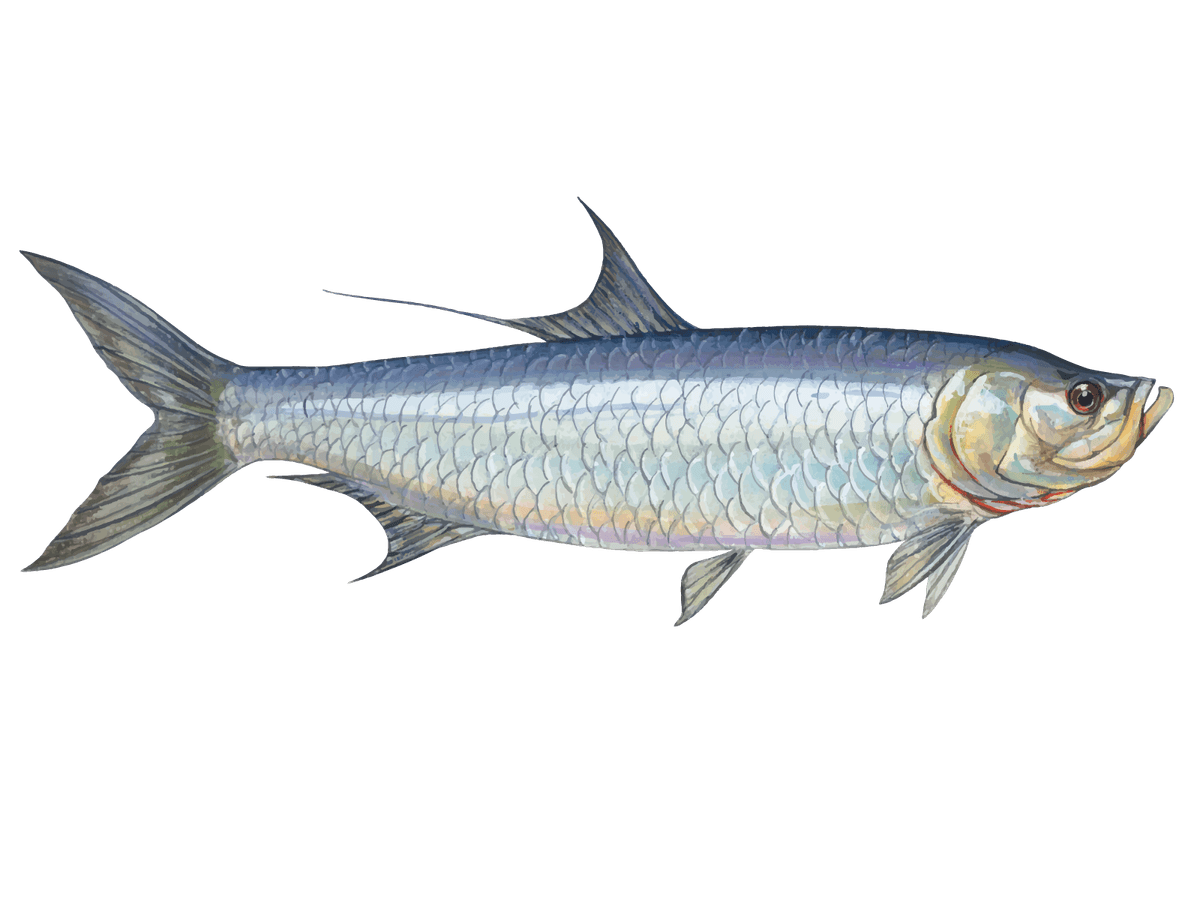
Tarpon are pure silver dynamite, earning their nickname as the "silver king" for good reason. These prehistoric giants can reach over 200 pounds and are famous for their aerial acrobatics when hooked. The best tarpon action typically happens during their migration periods, when schools move through inshore waters. They're sight fishers much of the time – you'll actually see them rolling on the surface before making your cast. The challenge isn't just hooking them; it's the 30-minute to two-hour battles that follow. Every tarpon fight is different, but they all involve spectacular jumps and powerful runs that'll leave your arms shaking.
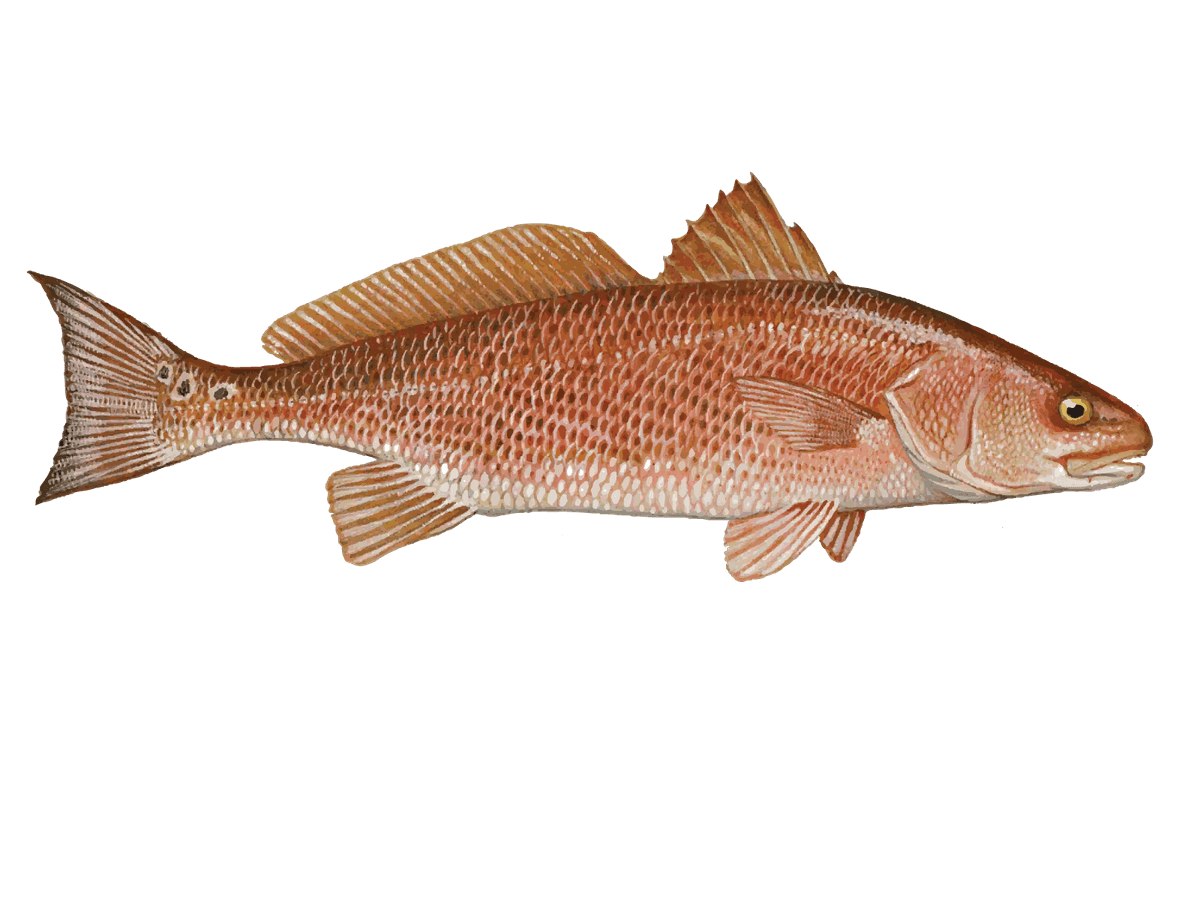
Redfish, or red drum, are the bruisers of the flats. These copper-colored fighters are perfect for anglers who love sight fishing – you'll often spot their backs and tails as they root around in shallow water looking for crabs and shrimp. They're year-round residents in most areas, with fall being particularly productive as they school up for their spawning runs. What makes reds special is their willingness to eat and their stubborn fighting style. Once hooked, they put their heads down and make powerful runs, using their broad tails and muscular bodies to test your drag system.
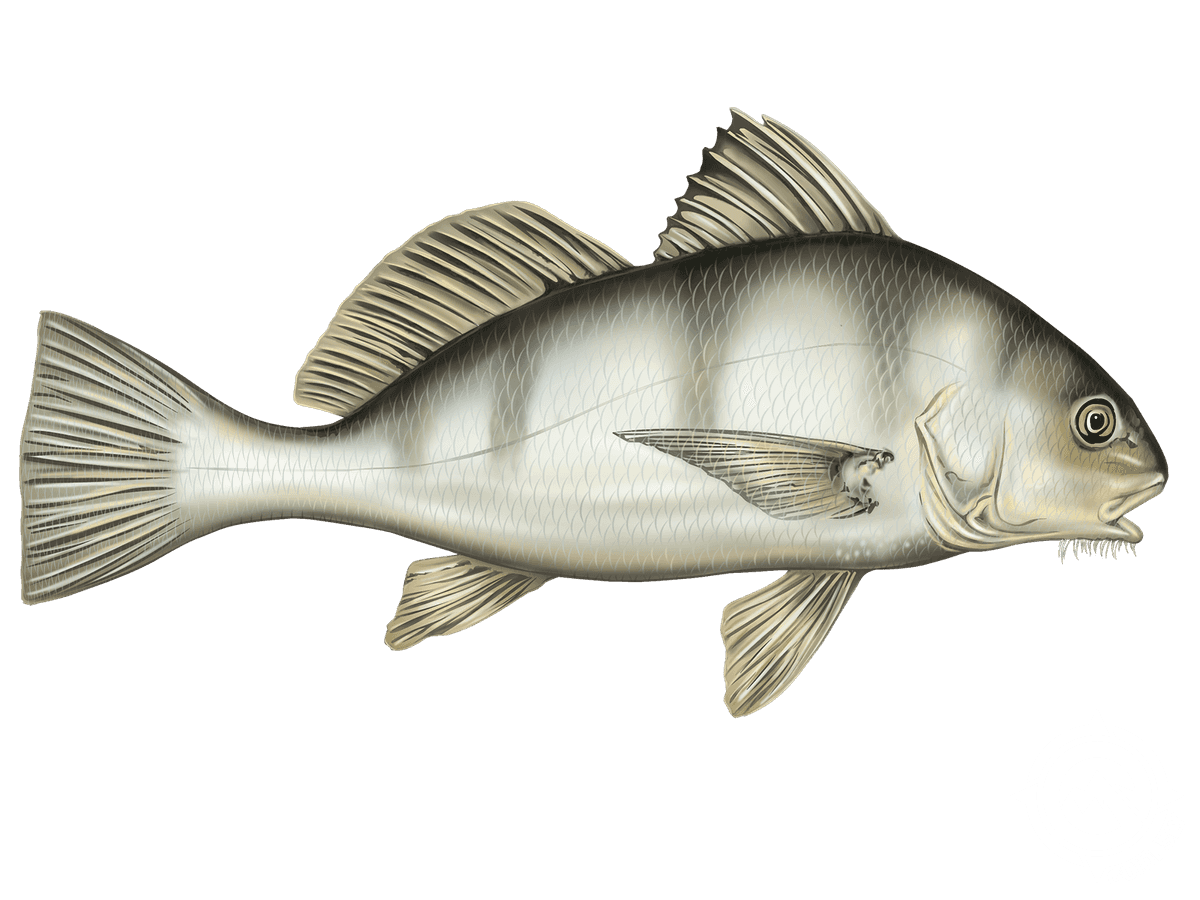
Black drum are the heavyweights that often surprise anglers with their size and power. These bottom-dwellers can exceed 50 pounds and are masters at using structure to their advantage during a fight. They're most active during cooler months and are often found around oyster bars, bridges, and deep holes. The bigger fish are incredible fighters – they'll use every piling and every piece of structure to try breaking your line. Their drumming sound, created by specialized muscles, is something you'll actually hear and feel through your rod.
Sea trout, or speckled trout, are the most reliable biters and provide steady action throughout the day. They school up over grass flats and are particularly active during moving tides. While they may not be the biggest fish you'll catch, they're excellent table fare and put up a respectable fight on lighter tackle. They're perfect for keeping the action going between shots at bigger fish, and experienced anglers know that where you find trout, you'll often find bigger predators lurking nearby.
Time to Book Your Spot
This full-day inshore adventure represents serious fishing at its finest. You're not just buying a fishing trip – you're investing in a shot at that fish you'll talk about for years. The combination of Zookeeper Charters' local knowledge, prime fishing locations, and commitment to putting you on fish creates an opportunity that dedicated anglers dream about. With only four spots available, each trip fills up fast, especially during peak seasons when the fishing is hottest. Whether you're chasing a personal best snook, wanting to battle your first tarpon, or just need a full day away from everything with a rod in your hands, this trip delivers. Don't
Learn more about the species
Black Drum
Black drum are the bulldogs of the flats - thick, powerful fish that can really test your tackle. Most run 5-30 pounds, but the monsters we target can hit 50+ pounds. They're bottom feeders that cruise oyster beds, muddy flats, and creek mouths in 2-20 feet of water. These fish love crabs, shrimp, and anything they can crush with those powerful jaws. Spring is prime time when they school up for spawning - that's when you'll find the biggest concentrations. What guests love is the pure power - no flashy jumps, just brute strength that'll make your drag scream. Smaller ones under 15 pounds are great eating too. The trick with drum is keeping your bait on the bottom and being patient. Use fresh crab when you can - it stays on the hook better and the drum can't resist it.
Tarpon
Tarpon are the silver kings - pure fishing magic that can grow over 6 feet and 150+ pounds. These prehistoric fish cruise shallow flats, deeper channels, and harbor mouths, often rolling on the surface to gulp air. You'll spot their massive silver sides and that distinctive upturned mouth from way off. Peak season runs May through August when they're migrating through our waters. What makes them legendary? Those explosive jumps - they can launch 10 feet out of the water trying to throw your hook. It's all about the fight since most anglers release them (they're not great eating anyway). The secret is patience and keeping steady pressure without horsing them. When they jump, bow to the fish - drop your rod tip toward them. It saves you from a lot of heartbreak when that hook pulls free.
Snook
Snook are the ultimate inshore challenge - sleek, golden fish with that distinctive black lateral line running down their sides. Most run 20-30 inches, but the giants we're after can push 40+ inches and 30+ pounds. They love structure - mangroves, docks, bridges, and creek mouths where they ambush baitfish. You'll find them in everything from pure saltwater to brackish creeks. Best fishing happens during warmer months, especially around new and full moons when they're feeding heavily. What makes them special? They fight like hell with explosive runs and gill-rattling jumps. Plus, smaller ones make fantastic table fare. Here's the key: work your lure slow and keep it tight to cover. Snook are lazy - they won't chase a bait very far, so put it right in their face.

Sea Trout
Sea trout, or speckled trout, are beautiful spotted fish that cruise grass flats and sandy bottoms in 3-15 feet of water. Most run 12-20 inches, with the bigger "gator" trout hitting 24+ inches and 4-6 pounds. They love soft bottoms near drop-offs and structure, especially around dawn and dusk. These fish are most active during cooler months when they school up in deeper holes and channels. What guests enjoy is their willingness to bite - they're aggressive feeders that hit both live bait and artificials hard. Plus, they're some of the best table fare we have with that sweet, flaky white meat. The key is fishing soft plastics or live shrimp just off the bottom. In winter, find the deeper pockets where they stack up - once you locate a school, you can catch them one after another.
Redfish
Redfish are the perfect inshore target - bronze-backed beauties with those signature black spots near the tail. They typically run 18-30 inches and 3-15 pounds, though the bull reds can push 40+ inches. You'll find them tailing in 1-4 feet of water over grass flats, oyster bars, and muddy bottoms. They're year-round residents but really turn on during fall when they school up. What makes them so popular? They eat just about anything, fight hard with strong runs, and the smaller "slot" fish are some of the best eating around. The spotted pattern also makes for great photos. My go-to trick is watching for nervous water and tailing fish on the flats. When you see that copper flash, cast past them and work your bait back slowly - they spook easily in shallow water.