%2Ffit-in%2F250x250%2Fguide_websites%2F58760%2Fimages%2F1771593229441logo_zookeeper-removebg-preview.png&w=1200&q=100)
/users/3b3417e3-4575-4095-a866-c1de5da23ef7/ratecard/unnamed9-picsart-aiimageenhancer-mjdro5jo.jpg)
%2F300x300%2Fusers%2F3b3417e3-4575-4095-a866-c1de5da23ef7%2Fratecard%2Funnamed9-picsart-aiimageenhancer-mjdro5jo.jpg&w=256&q=75)
%2F300x300%2Fusers%2F3b3417e3-4575-4095-a866-c1de5da23ef7%2Fimages%2Fsuccessful-fishing-trip-florida-2300.jpg&w=256&q=75)
%2F300x300%2Fusers%2F3b3417e3-4575-4095-a866-c1de5da23ef7%2Fimages%2Ffishing-fun-florida-2243.jpg&w=256&q=75)
%2F300x300%2Fusers%2F3b3417e3-4575-4095-a866-c1de5da23ef7%2Fimages%2Ffour-people-fishing-in-fl-2286.jpg&w=256&q=75)
%2F300x300%2Fusers%2F3b3417e3-4575-4095-a866-c1de5da23ef7%2Fimages%2Ffishing-fun-florida-2232.jpg&w=256&q=75)
%2F300x300%2Fusers%2F3b3417e3-4575-4095-a866-c1de5da23ef7%2Fimages%2Fpicturesque-melbourne-beach-2304.jpg&w=256&q=75)
%2F300x300%2Fusers%2F3b3417e3-4575-4095-a866-c1de5da23ef7%2Fimages%2Ffishing-trip-florida-2208.jpg&w=256&q=75)
%2F300x300%2Fusers%2F3b3417e3-4575-4095-a866-c1de5da23ef7%2Fimages%2Ffishing-adventure-florida-2312.jpg&w=256&q=75)
%2F300x300%2Fusers%2F3b3417e3-4575-4095-a866-c1de5da23ef7%2Fimages%2Fcoastal-fishing-adventure-2348.jpg&w=256&q=75)
%2F300x300%2Fusers%2F3b3417e3-4575-4095-a866-c1de5da23ef7%2Fimages%2Fmelbourne-beach-scenic-view-2304.jpg&w=256&q=75)
%2F300x300%2Fusers%2F3b3417e3-4575-4095-a866-c1de5da23ef7%2Fimages%2Fwahoo-catch-melbourne-beach-2380.png&w=256&q=75)
Sebastian Inlet Half Day Fishing Zookeeper Charters
 Sebastian Inlet
What you will be catching:
 King Mackerel
 Red Snapper
 Redfish
 Snook
Snook Tarpon
- Half-day charter targeting snook, redfish, snapper, and mackerel
- All gear, bait, and local expertise provided by experienced captain
- Morning and afternoon departure times with fish cleaning included
Trip Pricing and Availabilities:
Trip pricing information is temporarily unavailable.
Sebastian Inlet Half Day Fishing Charter
If you're looking for a solid half-day fishing trip that won't break the bank, this Sebastian Inlet charter with Zookeeper Charters hits the sweet spot. At $600 for up to 4 people, it's one of the better deals around for a guided inshore experience. The inlet's unique position where the Indian River meets the Atlantic creates a fishing playground that's hard to beat - you've got everything from shallow grass flats to deeper channels holding different species throughout the day. Captain and crew handle all the details while you focus on putting fish in the boat.
What to Expect on the Water
You'll meet at the Sebastian Inlet ramp for either the 6:00 AM or 1:00 PM departure - both times have their advantages depending on tides and what's biting. Morning trips often mean calmer water and active fish, while afternoon charters can be perfect if you want to sleep in or have other plans earlier in the day. The beauty of fishing Sebastian Inlet is the variety - one minute you might be working the mangroves for snook, the next you're drifting structure for snapper or targeting redfish on the flats. The captain reads conditions daily and adjusts the game plan accordingly, whether that means staying in the river system or heading out to nearshore structure. All your gear, bait, ice, and water are covered, plus they'll clean your catch at the end of the trip. It's a relaxed pace that works great for families and first-timers, but experienced anglers appreciate the local knowledge and productive spots.
Techniques & Tackle Setup
The gear setup varies based on what you're targeting, but expect medium to medium-heavy spinning rods paired with reels that can handle both finesse presentations and stronger fish. Live bait is king around Sebastian Inlet - pilchards, shrimp, and pinfish are staples that produce consistently. You'll also throw artificials like soft plastics, topwater plugs, and jigs depending on conditions and species. The techniques range from sight fishing for tailing reds in shallow water to bottom fishing around inlet structure for snapper and grouper. If tarpon are around, you might switch to heavier tackle and larger baits. The inlet's structure includes rock piles, bridges, and drop-offs that hold fish, while the surrounding flats and mangrove shorelines offer different opportunities. Captain knows when to drift, when to anchor, and how to position the boat for the best presentations based on tide, wind, and where fish are holding.
Top Catches This Season
Red Snapper are the bread and butter around Sebastian Inlet's nearshore structure. These fish average 2-5 pounds but can surprise you with bigger specimens. They're most active during moving tides around rock piles and artificial reefs. What makes snapper fishing fun is their aggressive bite and excellent table fare - they're one of the best eating fish in these waters. Summer months typically produce the most consistent action, though you can find them year-round in deeper water.
Snook fishing really shines around the inlet structure and mangrove lines. These ambush predators love current breaks and shadowy spots where they can surprise baitfish. Sebastian Inlet snook typically run 20-30 inches with some real bruisers pushing 35+ inches. They're most active during dawn, dusk, and nighttime hours, making both the early morning and afternoon departure times productive. Fall and spring offer prime snook fishing when water temperatures are ideal and baitfish are abundant.
Tarpon season brings some of the most exciting fishing to Sebastian Inlet, typically from May through September. These silver kings range from juvenile fish in the 20-40 pound range to massive adults over 100 pounds. They're famous for their aerial displays and powerful runs that test both angler skill and equipment. Rolling tarpon on the surface create an adrenaline rush that keeps anglers coming back season after season.
King Mackerel patrol the nearshore waters and inlet mouth, especially during their spring and fall migrations. These speed demons can reach 20-40 pounds and provide blistering runs that scream drag from your reel. They're excellent eating when properly handled and bled, plus they fight hard enough to satisfy any angler looking for action. Trolling and live bait fishing are the most productive methods for kings around Sebastian Inlet.
Redfish are year-round residents that offer some of the most reliable action in the Sebastian area. These copper-colored fighters average 18-27 inches and are known for their powerful runs and stubborn fights. They're often found tailing in shallow water during low tide periods, creating exciting sight fishing opportunities. Reds are also one of the most forgiving species for beginners while still challenging enough for experienced anglers.
Time to Book Your Spot
This Sebastian Inlet half-day charter delivers solid fishing action without the full-day commitment or cost. The combination of inshore and nearshore opportunities means you're rarely stuck fishing one technique all day, and the variety of species keeps things interesting from start to finish. Whether you're introducing kids to saltwater fishing, looking for a weekend getaway, or just want to get on the water with minimal hassle, this trip covers all the bases. The $600 price point for four people makes it accessible, and the professional crew ensures you'll learn something while having a productive day on the water. Sebastian Inlet's reputation as a consistent producer speaks for itself - now it's time to experience it firsthand.
Learn more about the species
King Mackerel
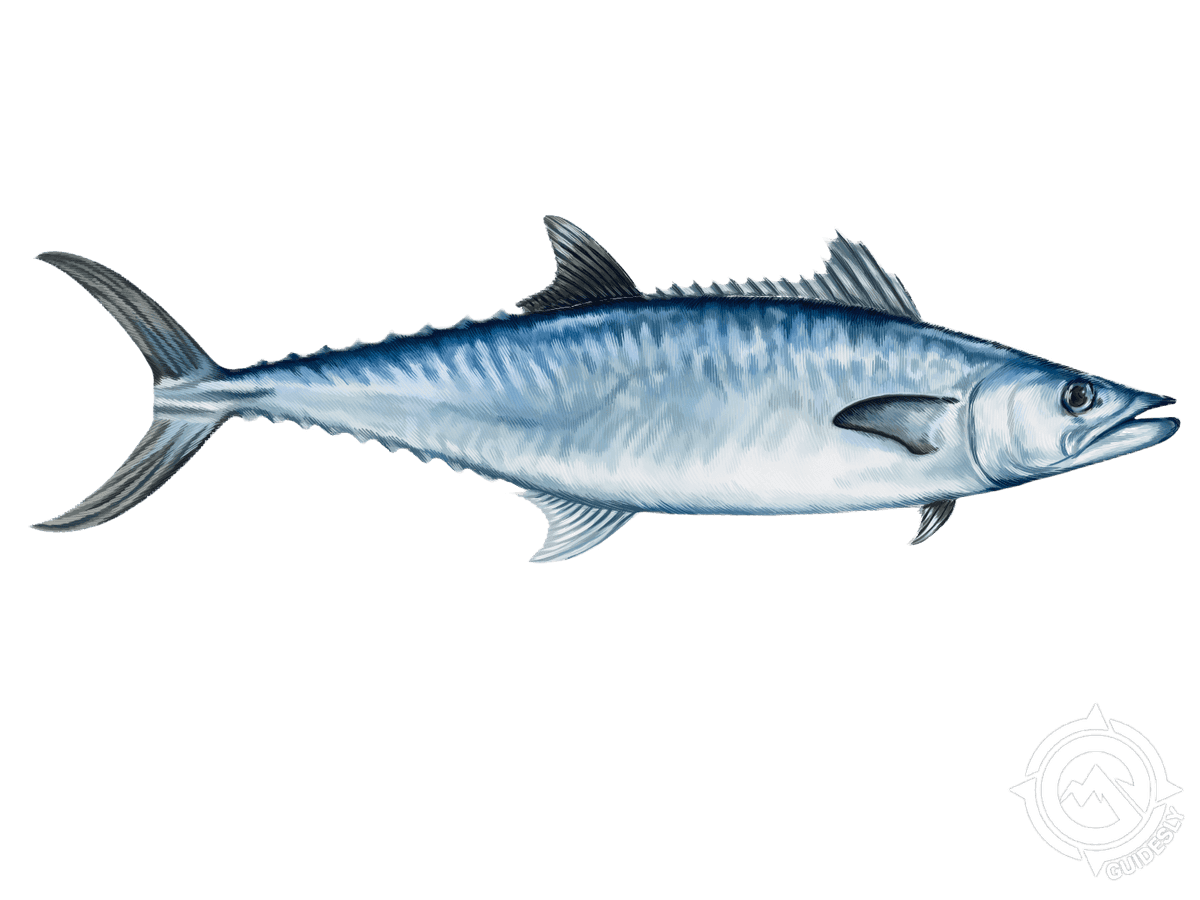
King Mackerel are speed demons that'll test your reflexes and drag system. These olive-backed speedsters typically weigh around 20-30 pounds but can push 50+ pounds. You'll find them in 40-150 feet of water offshore, often following schools of baitfish. They're most active during cooler months when water temps drop into the 68-75 degree range. What makes them exciting is their blistering runs - they're nearly as fast as wahoo and will peel line off your reel like nothing else. They're also excellent eating with firm, flaky meat that's perfect for the grill. The key to success is trolling with live bait or spoons, keeping your drag tight but not locked down. Pro tip: always use a wire leader and rig with two hooks - one through the bait's nose, another trailing behind. Kings love to hit the tail end of baitfish, so that second hook saves a lot of missed fish.
Red Snapper
Red Snapper are bottom dwellers that'll give you a real fight once hooked. Most we catch run 1-2 feet and under 10 pounds, but they can grow much bigger. You'll find them around structure in deeper water - typically 30 feet or more - where they hang near rocks, reefs, and wrecks. The pink juveniles turn that classic red color as they mature. What makes guests love targeting them is the strong fight they put up, often trying to run back to cover and break your line. Plus, they're some of the best eating fish in these waters - mild, nutty flavor that's perfect grilled or blackened. Pro tip: when you hook one, keep steady pressure and don't let them get back to the structure. Use fresh squid or live pinfish on the bottom, and be ready for that initial run when they feel the hook.

Redfish
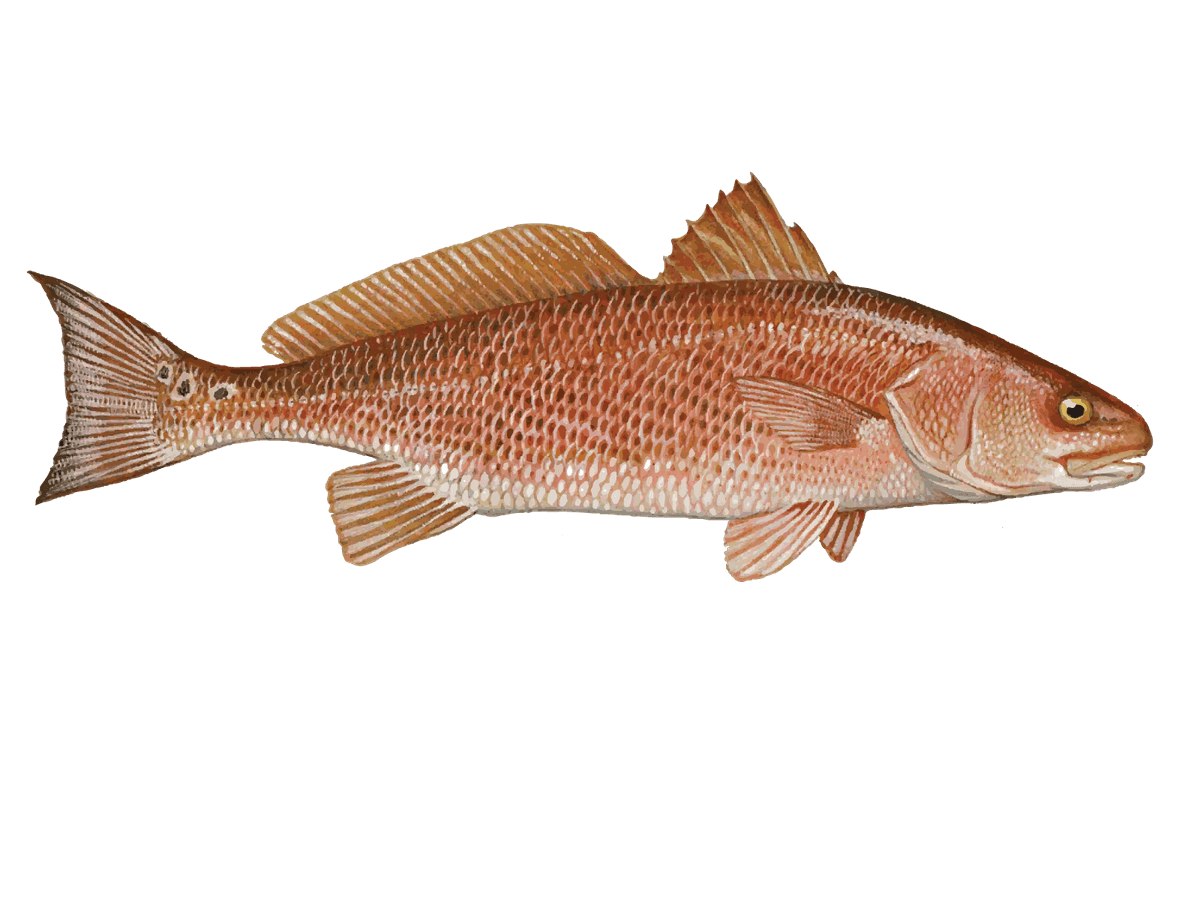
Redfish are our bread-and-butter inshore species, and they're perfect for anglers of all skill levels. These copper-colored fish with distinctive black spots near their tails typically run 20-30 inches around here. What makes them special is how shallow they feed - sometimes in water so thin their backs stick out. Look for them around oyster bars, grass flats, and dock pilings where they hunt for crabs and shrimp. Fall and spring offer the best action when they school up. Guests love them because they eat almost anything, fight hard for their size, and taste great - mild, sweet meat that's perfect fried or blackened. The spot near their tail fools predators into attacking the wrong end, giving them a chance to escape. My local trick: on super shallow flats, look for their tails sticking up while they root around feeding. Cast past them and work your bait back slowly - they spook easy in skinny water.
Snook
Snook are one of our most popular targets around Sebastian Inlet, and for good reason. These silver-sided fighters with that distinctive black lateral line typically run 1-2 feet, but can stretch over 4 feet. They love structure - mangroves, docks, bridges, and around the inlet itself where current brings baitfish. You'll find them in both salt and fresh water, which makes them pretty unique. Best fishing is during warmer months, especially around dawn and dusk when they're actively feeding. What guests really enjoy is their explosive strikes and acrobatic jumps once hooked. They're also great table fare with firm, white meat. During spawning season (May-September), their fins turn bright yellow - a cool sight. My go-to tip: work soft plastics or live shrimp tight to structure, but be ready to muscle them out quick before they cut you off on barnacles or pilings.

Tarpon
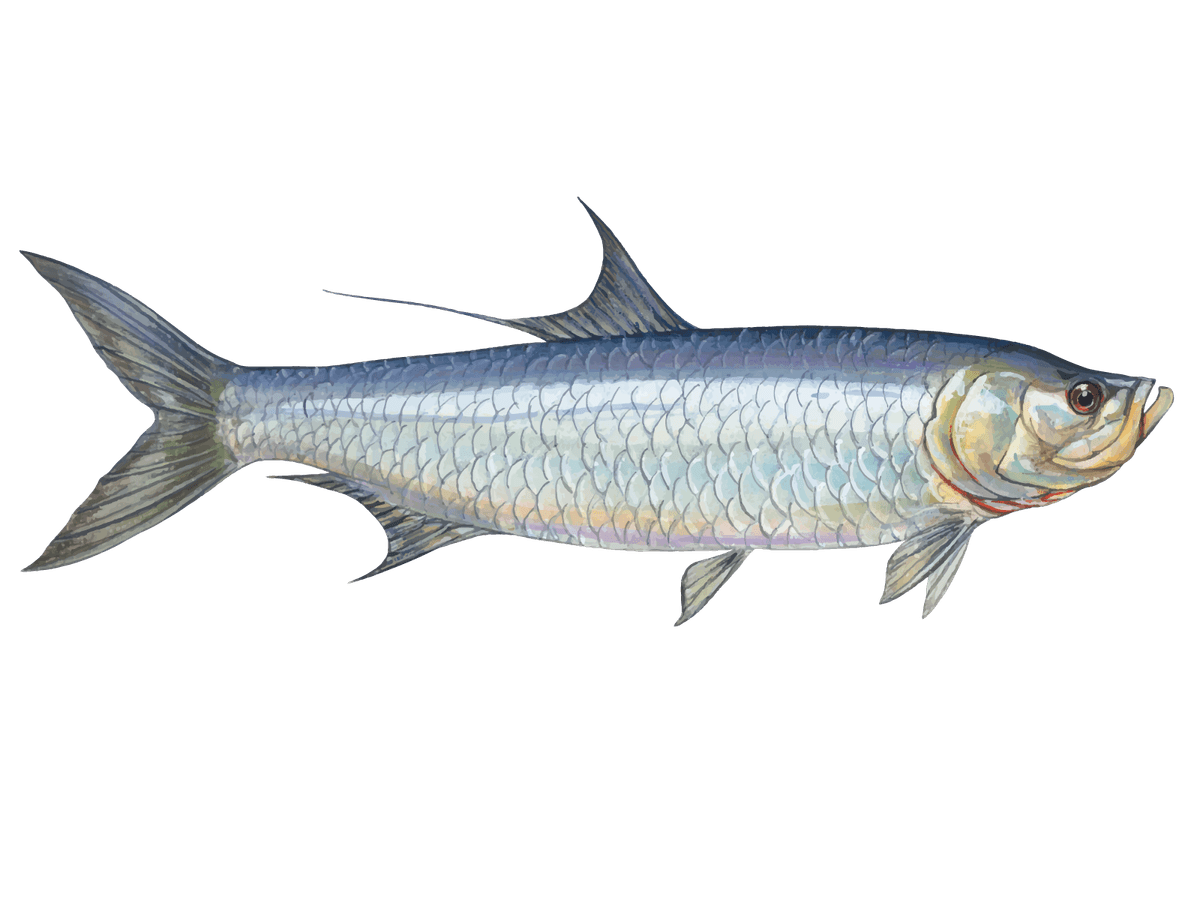
Tarpon are the ultimate bucket-list fish - these silver kings can reach 6+ feet and over 100 pounds, though most we see run 4-5 feet. What makes them special is their aerial show once hooked; they'll jump 10 feet out of the water trying to throw the hook. You'll find them in shallow coastal waters, around bridges, and near the inlet, especially during their migration through our area in late spring through summer. They're not great eating due to lots of bones, so we practice catch-and-release. The thrill is purely in the fight and those spectacular jumps. They can live 50+ years and swim up to 35 mph, making every hookup memorable. Best conditions are moving tides around dawn or dusk. Local trick: when one jumps, bow to the fish by dropping your rod tip toward the water - it keeps tension off the line and prevents them from throwing the hook on re-entry.
About the Zookeeper Charters
%2F%2Fusers%2F3b3417e3-4575-4095-a866-c1de5da23ef7%2Fvehicle_picture%2Funnamed35-mjdphaqc.jpg&w=1200&q=75)
Vehicle Guest Capacity: 10
Manufacturer Name: Suzuki
Maximum Cruising Speed: 60
Number of Engines: 1
Horsepower per Engine: 300